

Bay Ridge Landlord Ordered to Pay $4.2M for Defrauding Immigrant Families

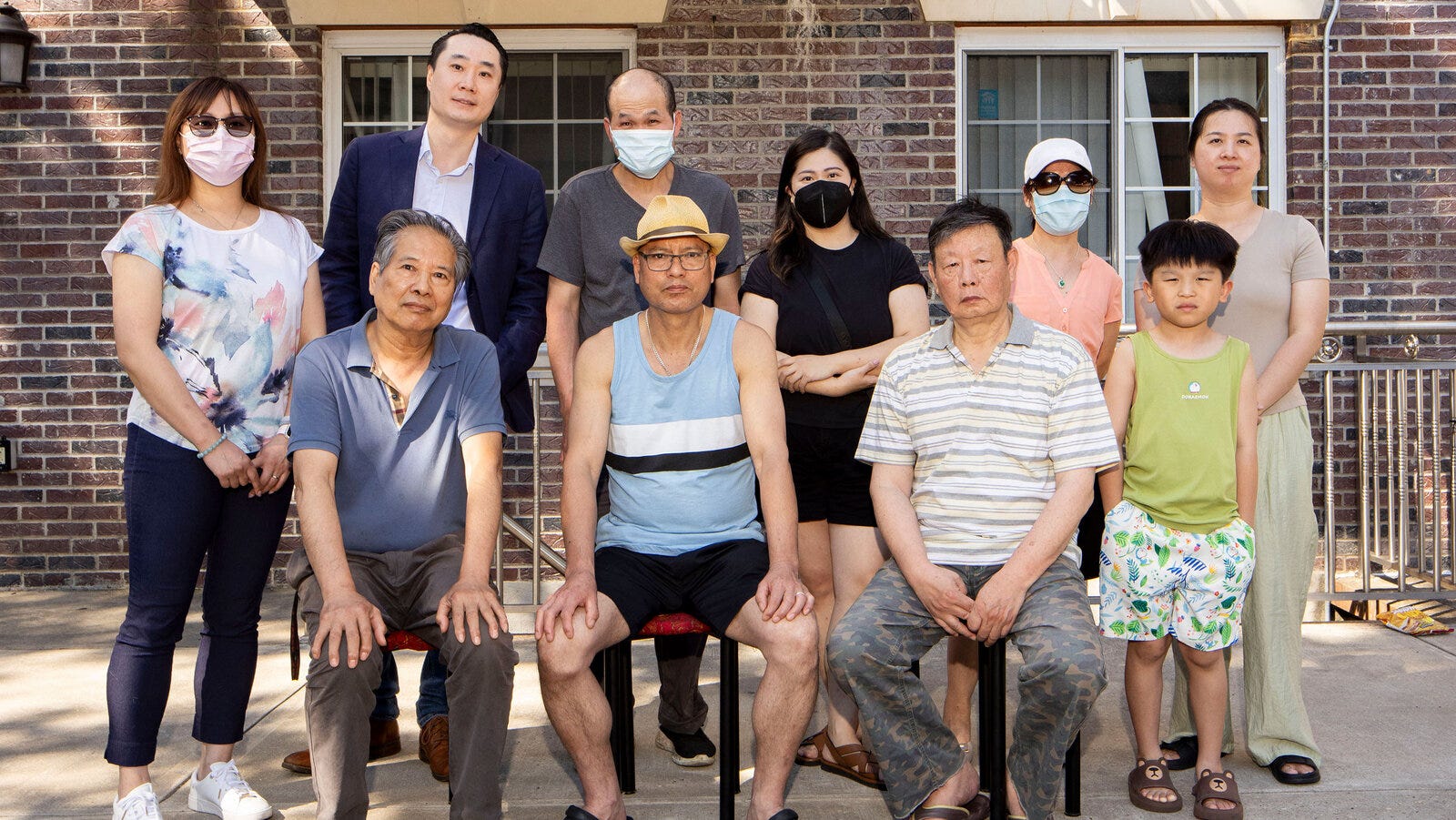
A Bay Ridge landlord has been ordered to pay more than $4 million in restitution after deceiving dozens of immigrant families into buying nonexistent condominiums, a scheme that spanned years and left many residents at risk of eviction.
Xi Hui “Steven” Wu, the former owner of the apartment building at 345 Ovington Avenue, illegally accepted payments from more than 20 families for what they believed were legitimate condominium units. According to court documents and New York Attorney General Letitia James, Wu never completed the legal process to convert the building into a condominium, and he had no legal right to sell the individual units.
Wu collected approximately $5 million in down payments, monthly mortgage payments, and fake condo fees from residents who believed they were becoming homeowners. However, he failed to pay the mortgage on the building, which was later foreclosed upon in 2019. The foreclosure left dozens of tenants in jeopardy and erased their claims to the homes they thought they had purchased.
“These families believed they were buying homes, when in reality, they were being sold nothing but lies,” said Attorney General James in a statement. “Steven Wu preyed on hardworking immigrant families, abused their trust, and stole the savings they had set aside to build a stable future.”
James sued Wu in 2022 after launching an investigation into his dealings at 345 Ovington Avenue. Though Wu had submitted a plan in 2013 to convert the building into a 25-unit condominium structure, he never followed through with the legal steps required to divide the property into separate units with individual tax lots and formal deeds.
Instead, many of the agreements Wu used to sell the units were informal and lacked legal validity. The buyers, many of whom were immigrants who did not speak or read English fluently, placed their trust in Wu, who was considered a “prominent” figure in the local real estate community.
In some cases, the building’s residents made substantial payments over extended periods, believing they were building equity. It wasn't until the 2019 foreclosure that they learned they had no legal ownership of their homes. Wu had never placed the funds in escrow accounts as required, and instead admitted to using tenants’ down payments to pay off his own debts.
Wu also misled regulators and fabricated purchase agreements and other official documents to conceal the illegitimacy of the sales. According to the Attorney General’s office, he collected residents’ payments directly, ensuring there was no neutral third party to protect the buyers’ investments.
In January 2026, Judge Anar R. Patel ordered Wu to pay more than $4.2 million in restitution, plus years’ worth of accrued interest. The court ruling also bars Wu from selling securities in the future.
“Not only did Attorney General James successfully prosecute this case, but she worked with the residents and AAFE to prevent any evictions and ensure that the dream of homeownership stayed alive for these families,” said Thomas Yu, executive director of the nonprofit Asian Americans for Equality.
The organization purchased the building in 2024 and committed to converting it into a housing cooperative, allowing the defrauded families to remain in their homes and secure actual ownership over time.
“We are grateful to Attorney General James and happy for the 20 families at 345 Ovington Street who have finally seen justice prevail after nearly losing everything as a result of this fraudulent scheme,” Yu said.
The legal action also resulted in halting the previously scheduled foreclosure auction of the property in 2022. Following years of litigation and advocacy, the court’s ruling marks a significant victory for the residents of 345 Ovington Avenue, many of whom had waged legal battles for years and three of whom filed involuntary bankruptcy claims against Wu in 2022.
“This order returns money to the families Wu cheated and ensures he can never again exploit New Yorkers through fraudulent real estate schemes,” said James.
The ruling closes a chapter in a long-running case that exposed deep vulnerabilities in how real estate fraud can target immigrant communities. For the victims at 345 Ovington Avenue, it also brings long-awaited restitution and the hope of secure housing they were promised more than a decade ago.