


1/18/2026
Good Morning New Yorker
A second snowstorm sweeping across the city caps a weekend already tense with federal enforcement crackdowns, flare-ups over immigrant rights, and displacement from fire and frost alike. After Saturday’s dusting, New Yorkers brace for more snow today, while debate over ICE raids and enforcement tactics sparks community responses from outer boroughs to suburbia. Safety warnings, legal boundaries, and short-fuse weather are all converging across borough lines this morning.
Today’s Forecast
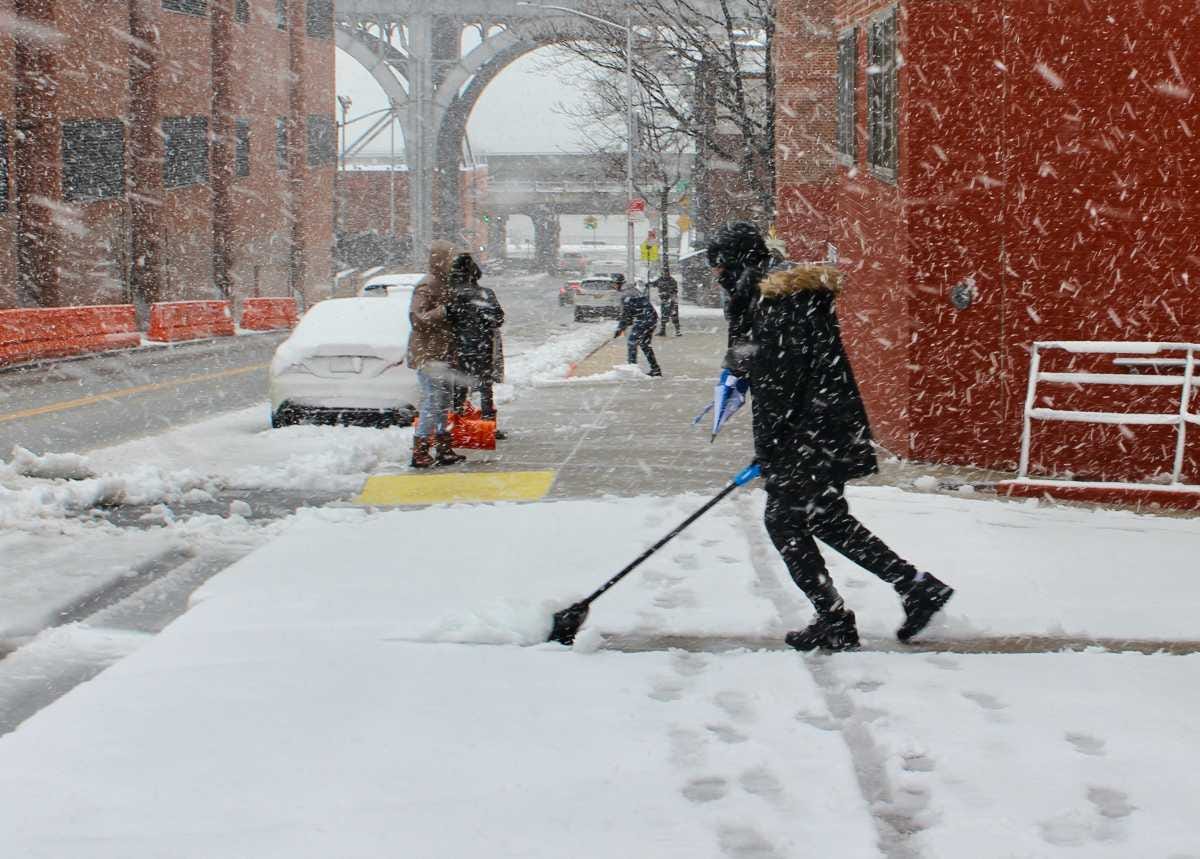
Plan for a slippery and uncomfortable Sunday. A Light rain turning to snow is expected throughout the duration of the day, with temperatures hovering around 33 degrees but feeling closer to 29. Street movement may slow due to wet and freezing surfaces, particularly as accumulation builds to a forecasted 2 to 4 inches.
What’s Moving Today
Legal awareness and community accountability are front and center as fallout continues from this week’s ICE action in the region.
Advocates across the city are reminding residents of their rights under the law: ICE cannot enter homes or workplaces without a judicial warrant. This comes just after highly visible immigration raids in New Jersey and viral videos of a Target employee being dragged from a store in the Midwest. Locally, these events have prompted urgent neighborhood conversations about legal literacy and how city residents face federal enforcement on the ground.
On the Streets
NYC Emergency Management issued a snow alert and travel advisory through today as a fast-moving storm brings its second round of snow to the city. Saturday’s totals reached up to four inches in parts of the five boroughs, and similar accumulation is expected again this afternoon. A winter weather advisory remains active through the day. The storm has already disrupted local transit and may continue to cause delays as road salt crews try to keep pace. For pedestrians and commuters, slick walking routes and dim early day visibility are likely to remain hazards.
Under Pressure
The federal immigration crackdown over the last several days has led to visible tension across regionally connected communities.
In Morristown, New Jersey, dozens of residents gathered on the front lawn of Town Hall Saturday to protest a recent ICE raid at a local laundromat. The rally, named “Motown Demands Accountability,” followed the arrests of several individuals and what residents describe as a traumatic, unexpected agency operation in a public-facing business. In New York City, legal organizations and immigrant services providers spent the weekend circulating information about residents’ rights regarding ICE approaches in or near workplaces and dwellings.
Related socio-political anger continues to manifest at corporate sites as well. Viral footage of immigration agents detaining a Target employee in a store outside Minneapolis has reignited scrutiny of ICE’s practices and corporate cooperation with enforcement activities. Although the protest wasn’t based in New York, the spillover from this national conversation appears increasingly felt in local political circles and immigrant networks.
Money & Leverage
Trinity Church, in Manhattan, plans to build a 24-story, 120-unit residential tower at 50–58 Cliff Street in the Seaport, delivering something city and state agencies have struggled to achieve: a fully affordable housing development in Lower Manhattan. All apartments will be rent-protected, with most reserved for households earning between 30 and 80 percent of Area Median Income, and 15 percent set aside for formerly homeless individuals and families. Rents will be capped at no more than one-third of household income and governed by rent-stabilization rules.
The church selected the Settlement Housing Fund as the nonprofit developer, granting a 99-year ground lease rather than selling the land outright—an asset conservatively valued at over $100 million. Construction is expected to begin in 2027, following a brownfield cleanup, with completion targeted for 2030. The building will meet passive house energy standards and include shared outdoor and community spaces, along with on-site supportive services.
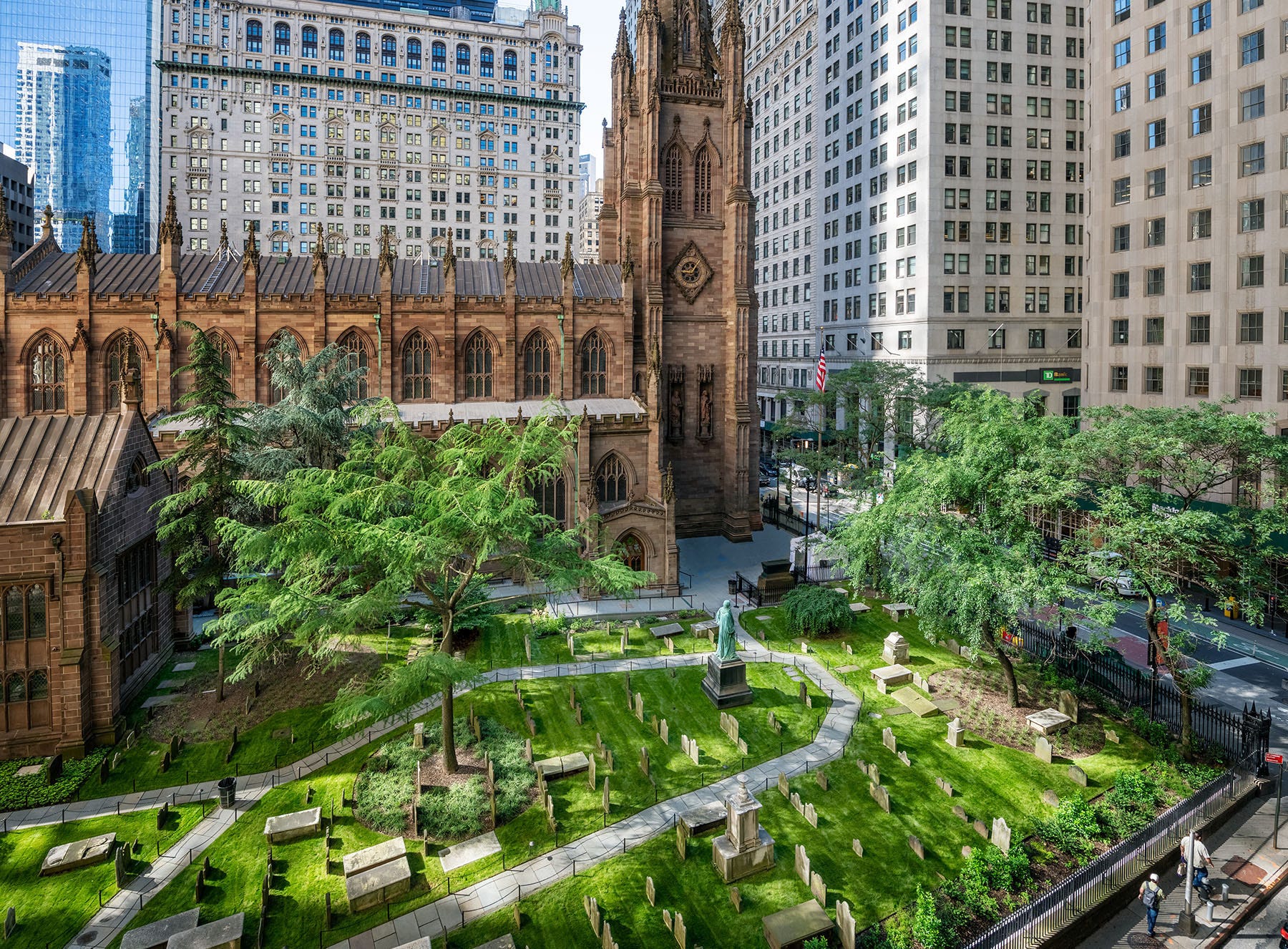
The project stands in stark contrast to recent government-led developments in the area that limited affordable units in favor of market-rate housing, despite acute need. Housing advocates say Trinity’s decision demonstrates that 100 percent affordability is achievable—even on high-value land—and hope it sets a precedent for future public-sector projects.
Still Developing
Two active public safety issues remain under watch today. First, a 4-alarm fire tore through the School Street neighborhood in southwest Yonkers on Saturday, displacing dozens. Fire crews worked to contain flames that rapidly spread across residential units. The area is now under cooling and inspection protocols, and city officials have not yet released a timeline for when residents may return.
In Manhattan, a man was stabbed multiple times early Saturday morning during a dispute near 51st Street and 9th Avenue in Hell’s Kitchen. Police responded around 6:30 a.m. The victim’s condition has not been disclosed.
Separately, the U.S. Consumer Product Safety Commission announced a recall of red “Frigidaire” minifridges sold at Target, citing risk of fire or burns due to short-circuiting. There have been a number of reported incidents, and stores are now providing resources for returns and safety inspections.
City Life
Virginia made national political news this weekend, but its ripples are felt in New York’s academic communities. Governor Abigail Spanberger, sworn in as Virginia’s first female governor, immediately moved to appoint new board members at three of the state’s universities. With many New Yorkers tied to or attending colleges across the mid-Atlantic corridor, these changes signal potential shifts in university governance, tuition policy, and educational standards that affect student populations with New York roots.
And for politically engaged readers, chatter is building among early Democratic primary strategists: New York is in the mix with 11 other states vying for a top spot on the 2028 presidential primary calendar. While the process remains highly procedural at this stage, state party leaders in Albany are already quietly positioning New York to increase its national political clout during the next White House cycle. That conversation could impact how federal candidates campaign here, and how much attention local constituencies receive down the stretch.
That’s today in New York.